Misters Men Sexual Health Products
Modern Day Wellness

Design That Removes the Weight of Stigma
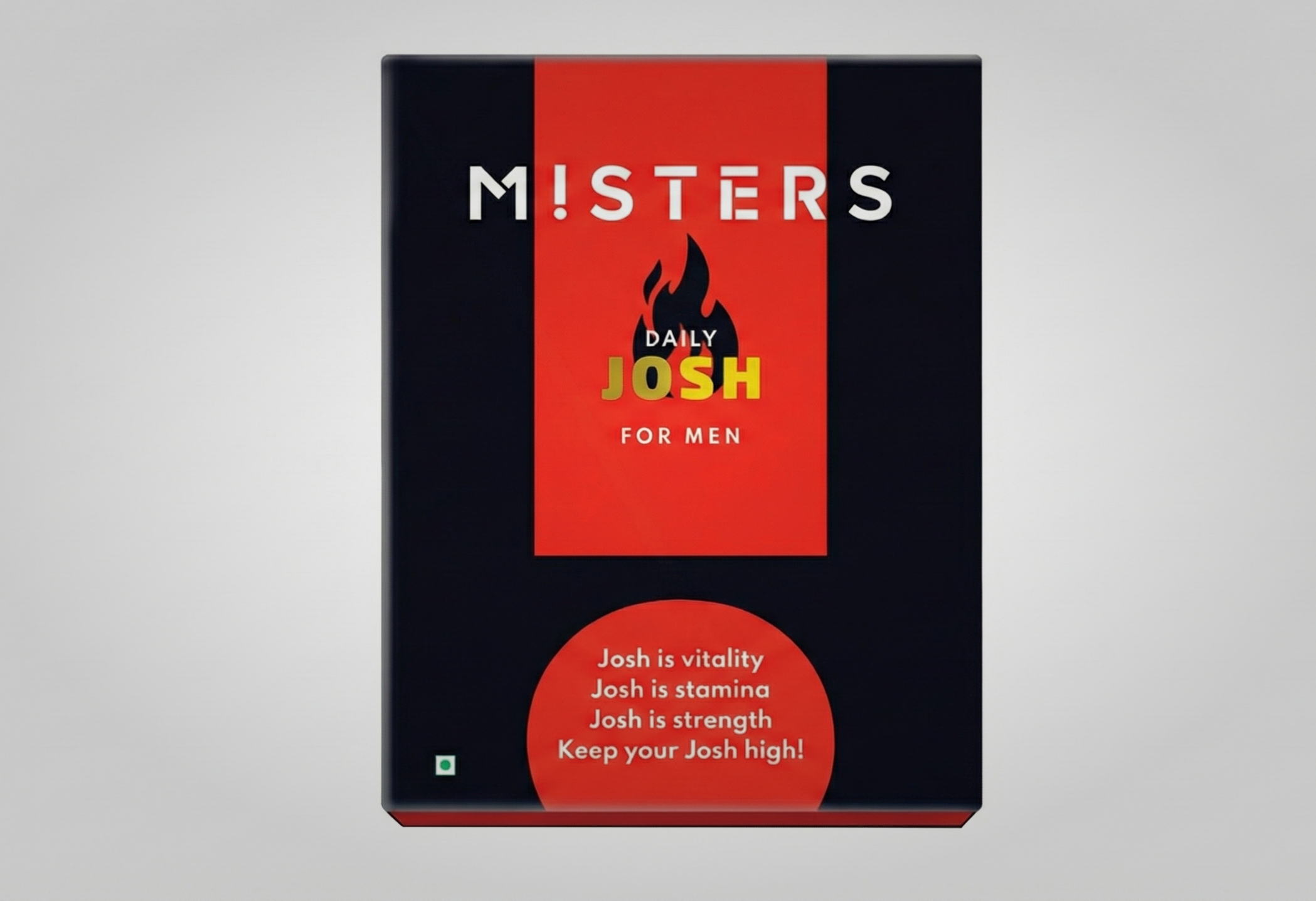
Men's sexual health in India carries a weight that has no clinical basis but enormous cultural presence: the weight of silence, of embarrassment, of the assumption that wanting help with this category is something to conceal. Misters was built to challenge that assumption to position men's sexual health as what it is: a modern wellness category, no different in its legitimacy or its right to occupy a pharmacy shelf than any other health product. Studio ABD's packaging design for Misters began with this conviction: that the right visual language can change the experience of purchase, and that changing the experience of purchase can change the experience of seeking help.
The Language of Confidence and Clinical Credibility
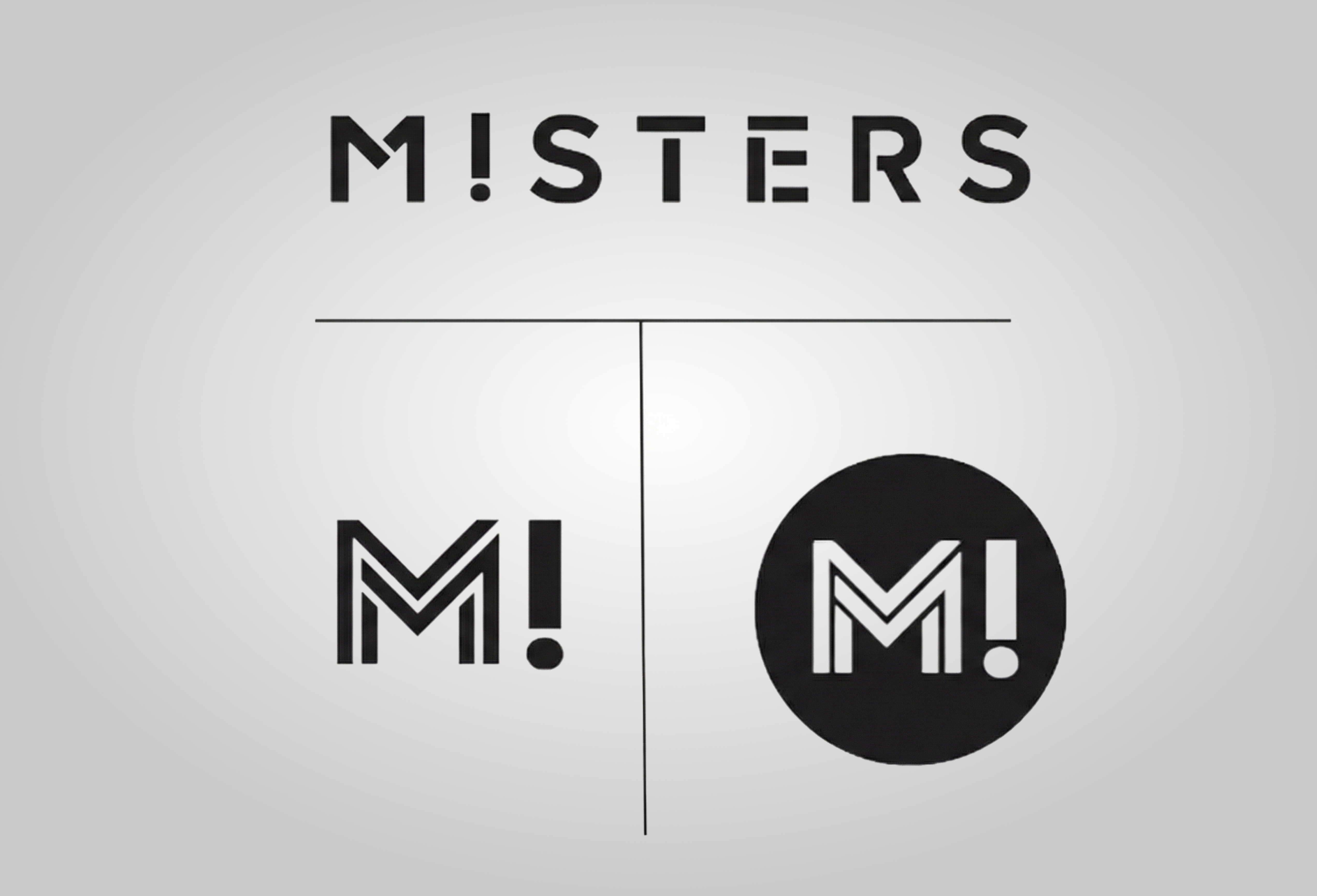
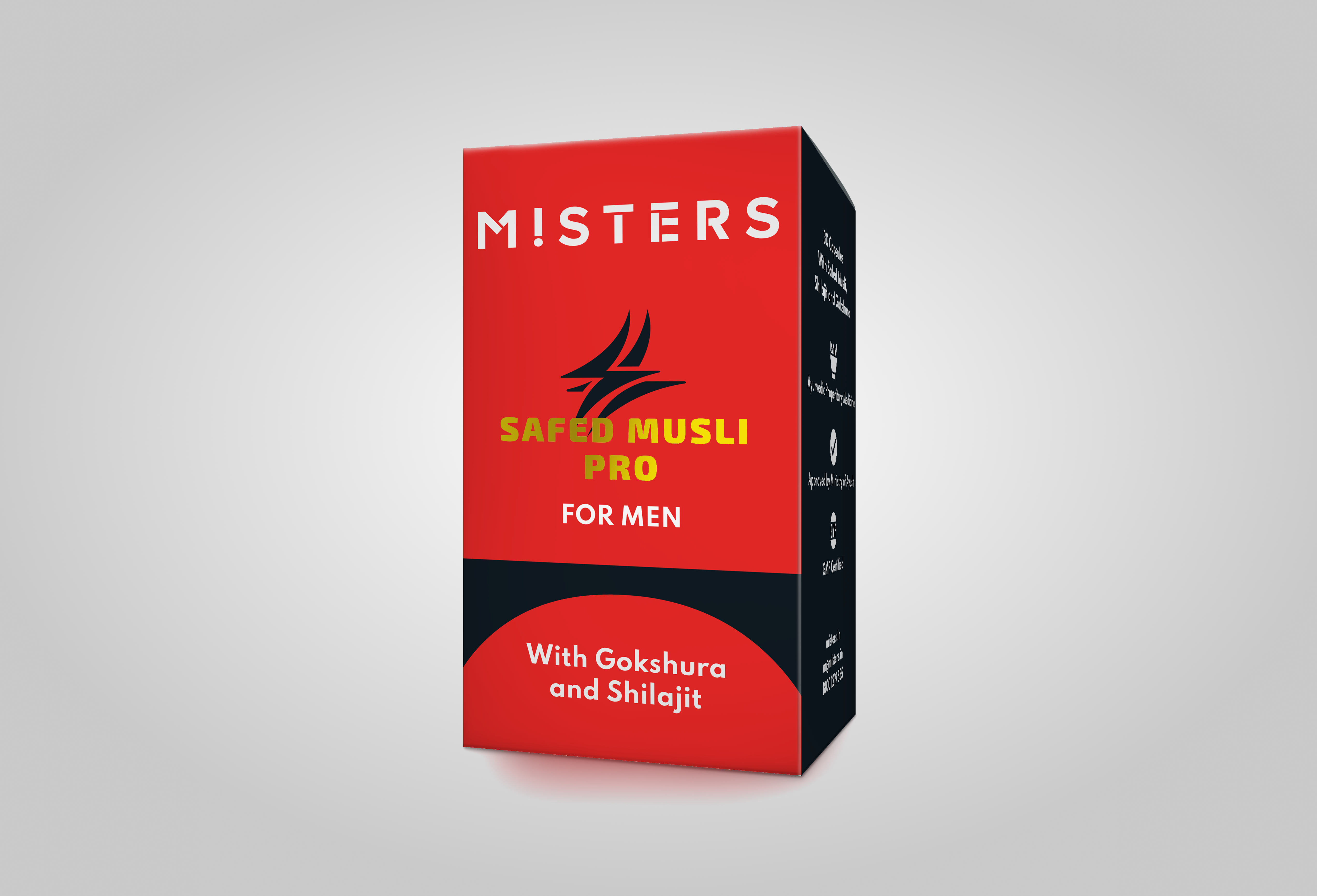
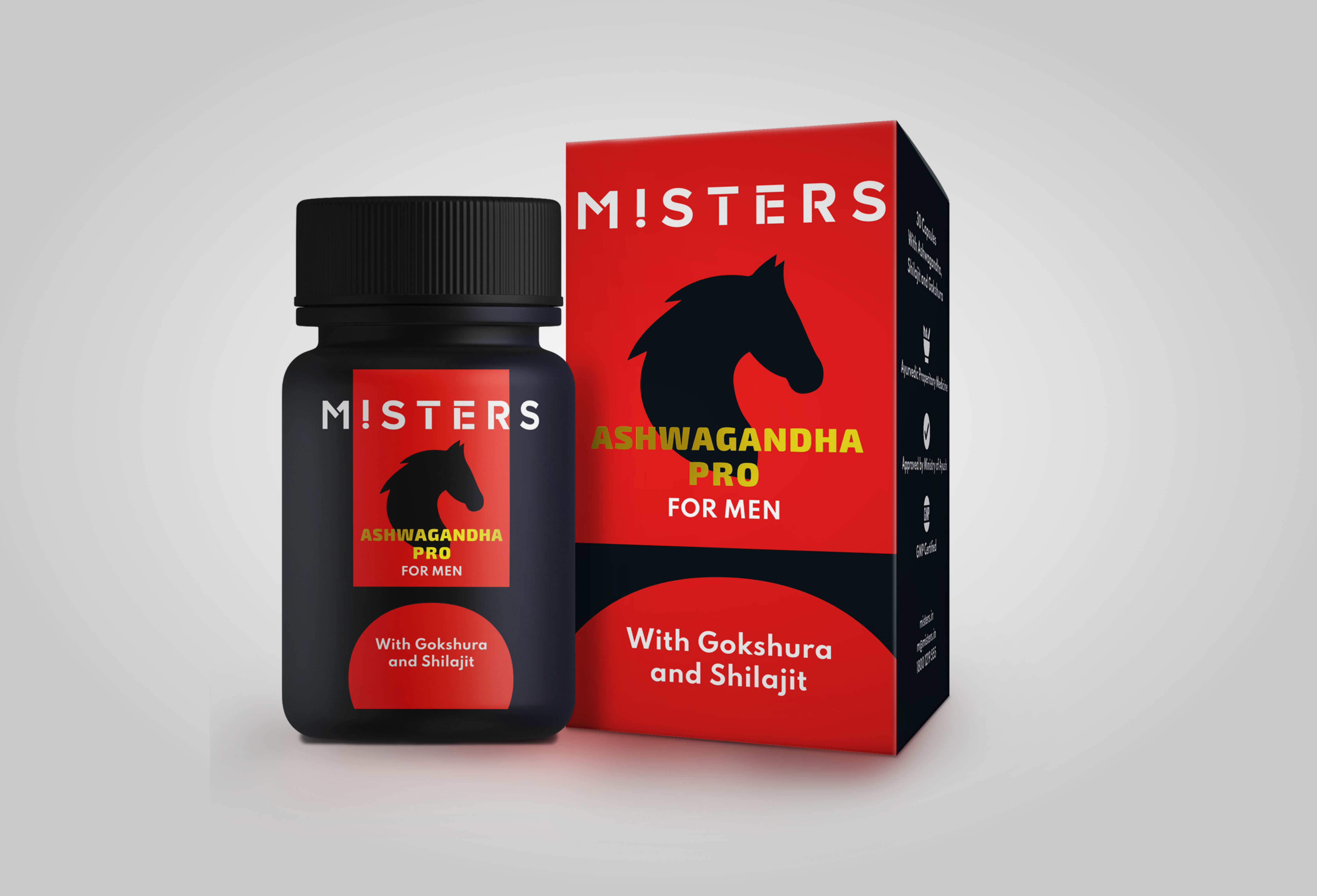
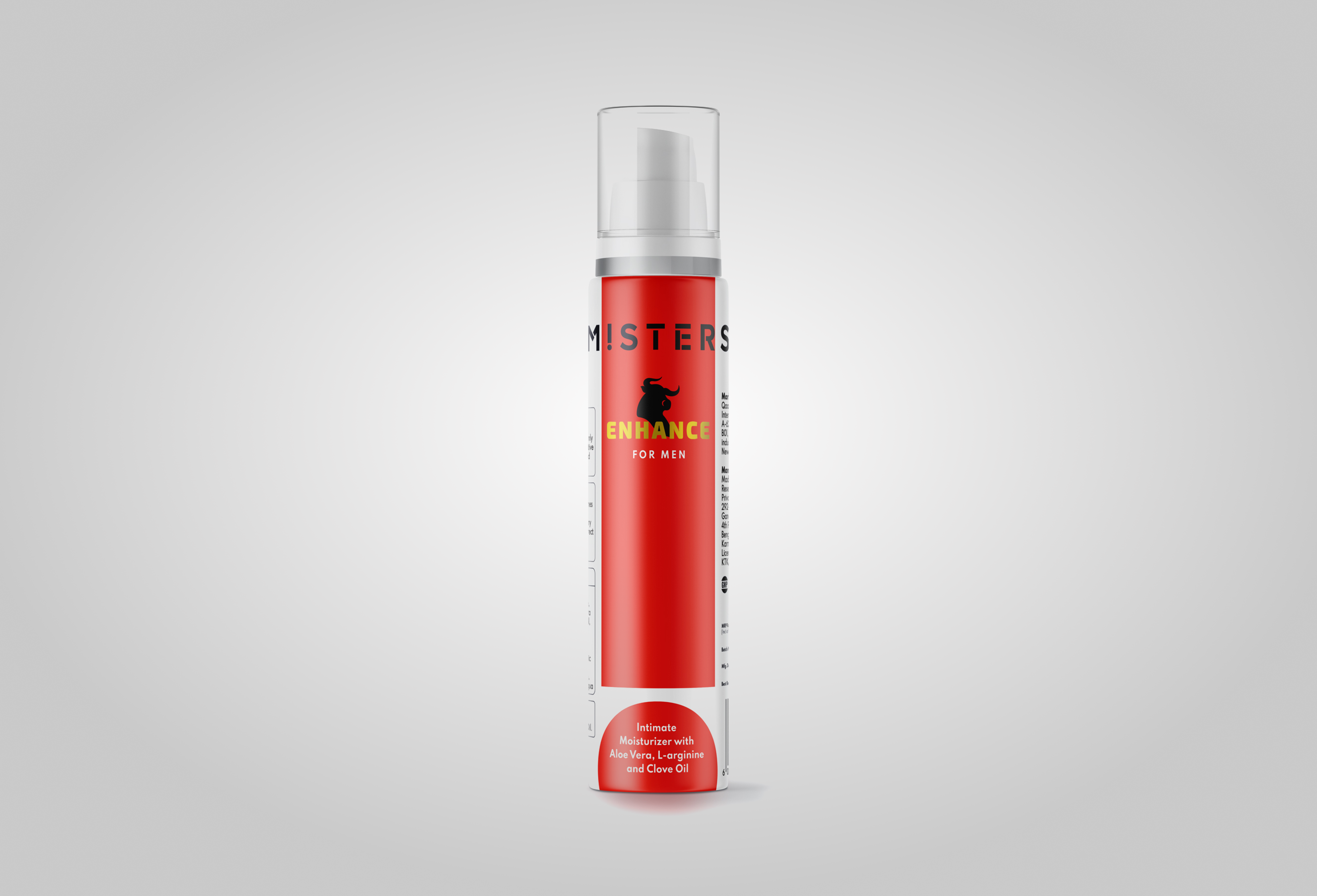
The Misters packaging system was designed to communicate two things simultaneously: the clinical credibility of a health product and the confident modernity of a lifestyle brand. This is a rare combination to hold in balance, particularly in the Indian market, where the visual languages of 'health' and 'lifestyle' have historically been separated by a wide aesthetic gulf. The typography is clean and authoritative. The colour system is confident without being aggressive. The structural design communicates quality without communicating exclusivity because the Misters user should feel that this product was designed for him, not for an aspirational version of him that does not exist.
Packaging as an Act of Permission
The truest measure of a packaging design's success is what it enables the person holding it to do. When a man can pick the Misters product off a pharmacy shelf without hesitation, without glancing around to see who is watching, without the small internal negotiation that stigma requires the packaging has done its job. Studio ABD designed for that moment of pickup with the same precision that luxury packaging design studios apply to the moment of gifting. Because in both cases, the packaging is not the product. It is the permission to engage with the product. And permission, in the Indian wellness market, is the hardest thing to design.