Purelt Marvella
The Future of Water Purification
.png)
Clean Water, Considered Form
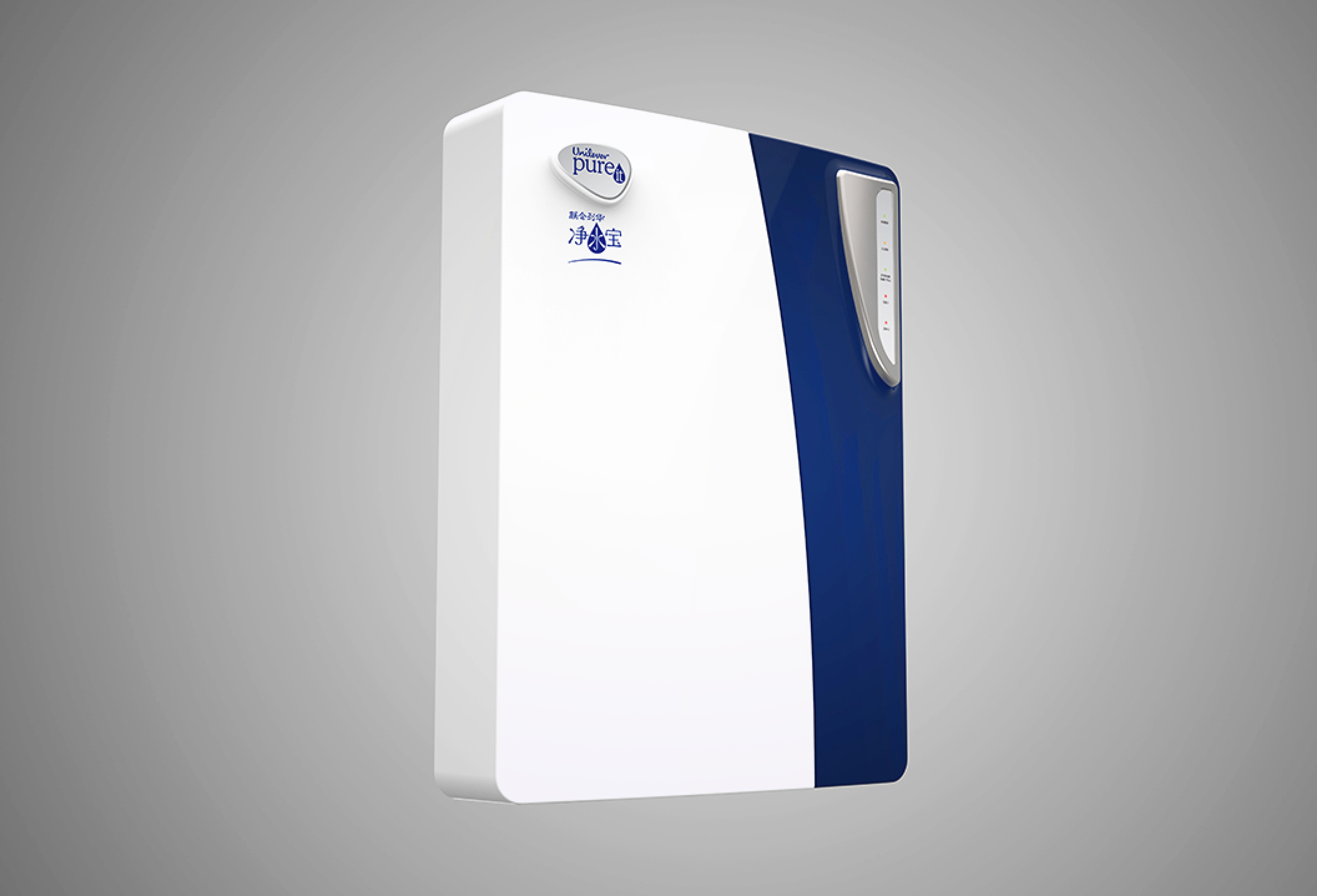
Access to clean drinking water in India is not a niche concern, it is a constant, across homes of every scale and context. When HUL’s PureIt commissioned Studio ABD to design Marvella, the brief demanded clarity. This was not about creating a premium outlier, but about designing a product that could belong equally in a Mumbai chawl, a Chennai apartment, or a Delhi DDA home, consistent in performance, and assured in its presence. The form of Marvella was shaped with that intent. Not as a decorative layer, but as a considered response to its environment. We moved away from the language of the typical appliance, overbuilt, visually noisy, often compensating through superficial finishes, and towards a form that is purposeful, balanced, and quietly confident. The outcome is a product that does not ask for attention, but justifies its place, through clarity of function, and a form that feels resolved within the home it serves.
.png)
Clarity at Every Touchpoint
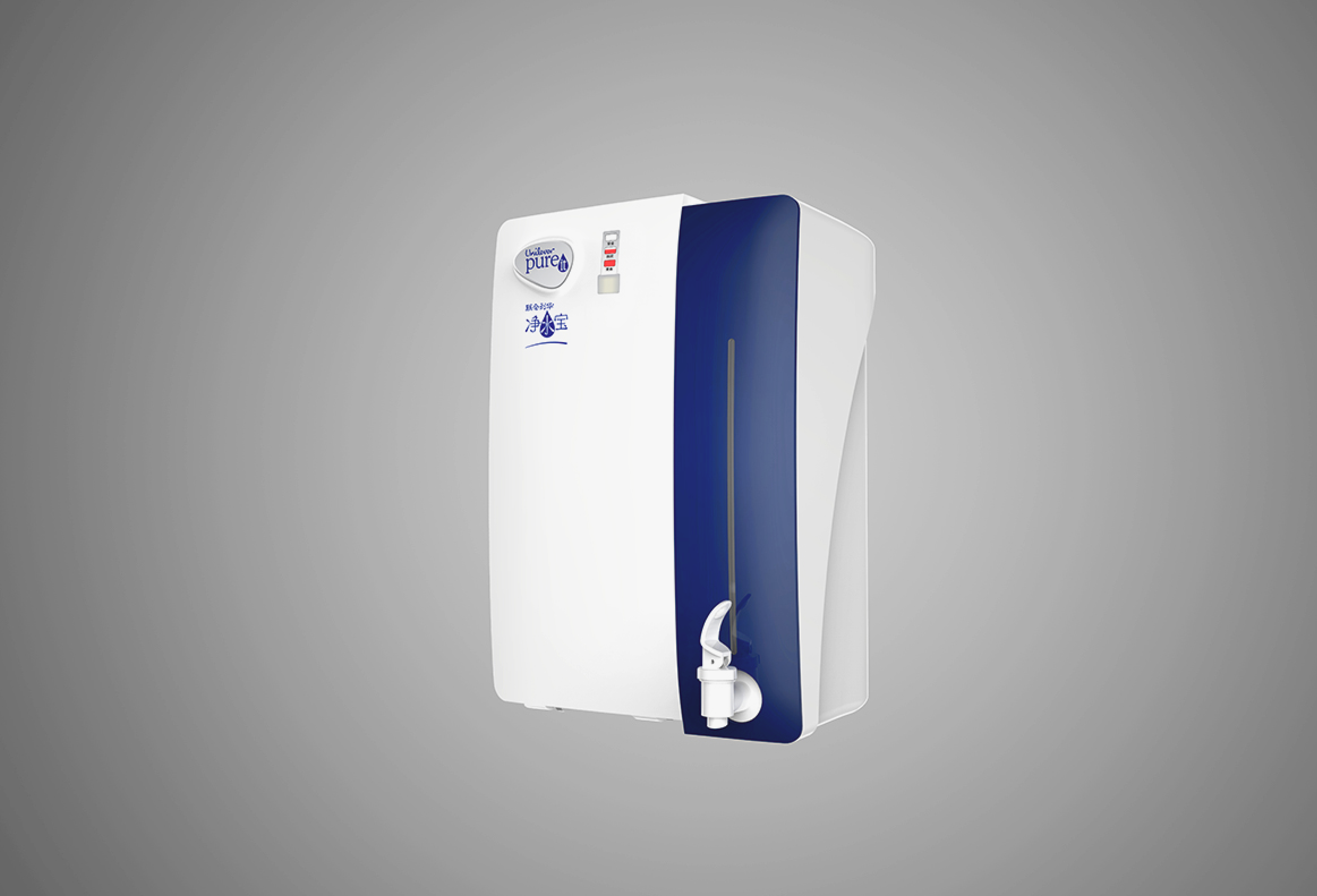
In most Indian homes, appliances are shared across users with varying levels of familiarity, language, and confidence. This makes clarity of interaction critical. For Marvella, the interface was designed to communicate through form rather than instruction. Key interactions, filter-life indication, mode selection, and pouring, are structured to be understood at a glance. We approached this through what we define as zero-learning design: reducing the need for explanation by establishing a clear visual and tactile hierarchy. The interface was organised around a simple consideration, what needs to be understood first, and what can follow. This informed decisions across scale, placement, and differentiation of controls. The result is an interaction that feels intuitive without being simplified— clear, legible, and consistent across users.
.png)
Built for India's Real Conditions
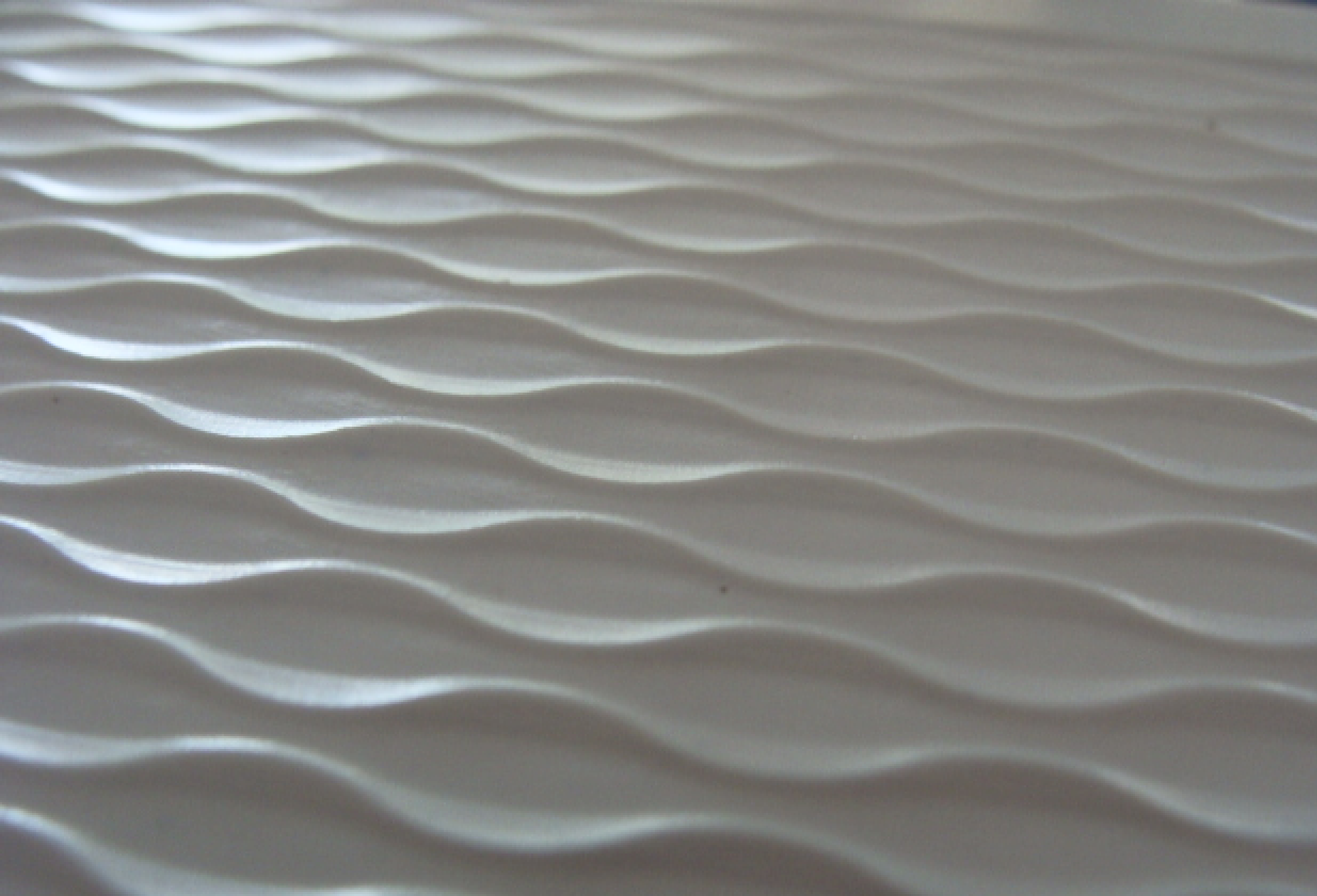
High-TDS groundwater, voltage fluctuations between 170V and 250V, and the constraints of Indian counter space, Marvella was designed with a clear understanding of where it would operate. The footprint was calibrated to align with typical kitchen depths across Indian homes. Material choices prioritised surfaces that withstand everyday conditions, oil, moisture, and frequent cleaning. Structurally, the product accounts for regular handling, repositioning, and seasonal storage. These decisions are not add-ons. They define how the product performs over time. Marvella reflects an approach to product design that begins with context, not as an adaptation of a global template, but as a response shaped by how Indian homes actually function.