Classmate Spin
Designed for the Fidgety Mind
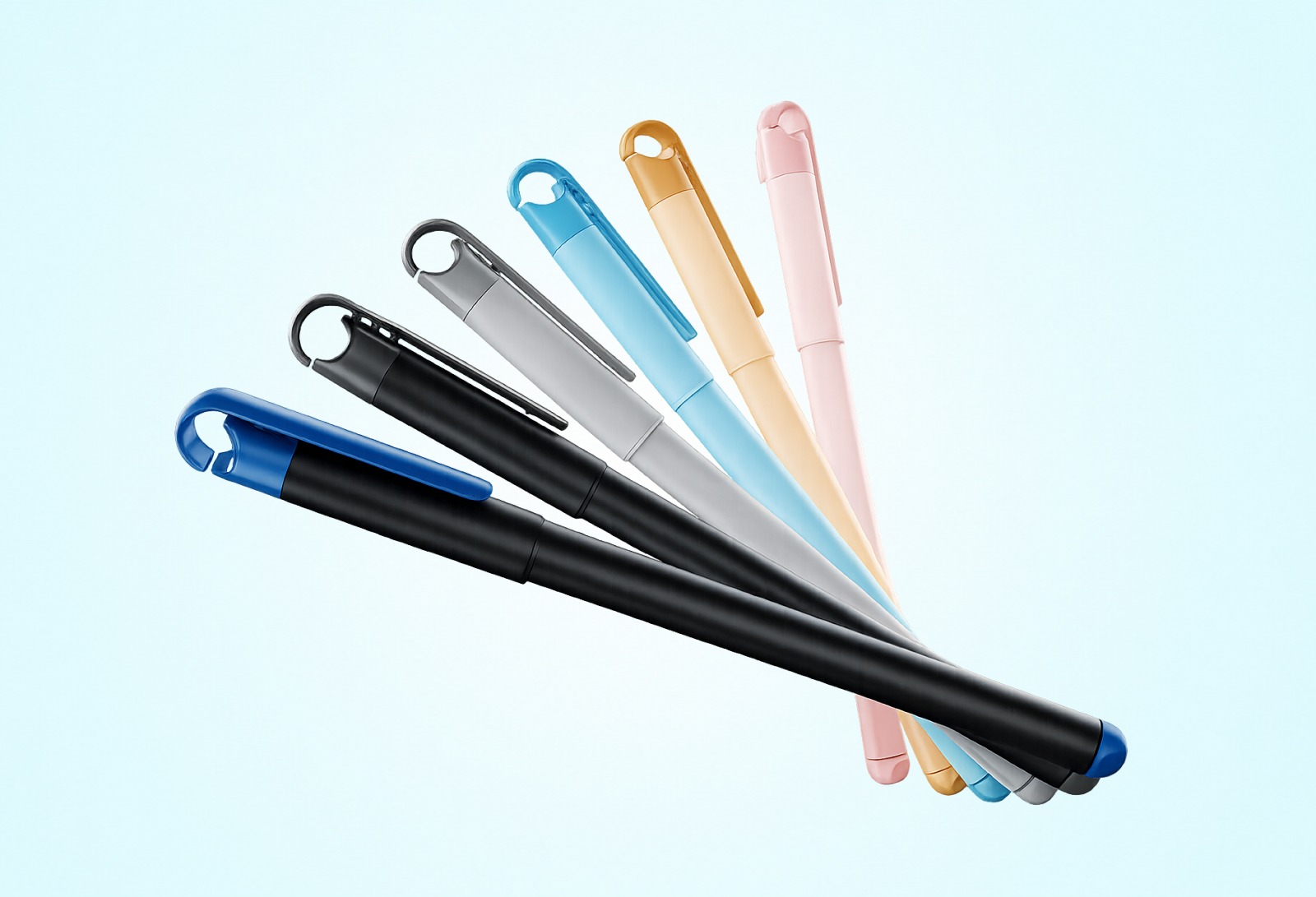
Playful by Design
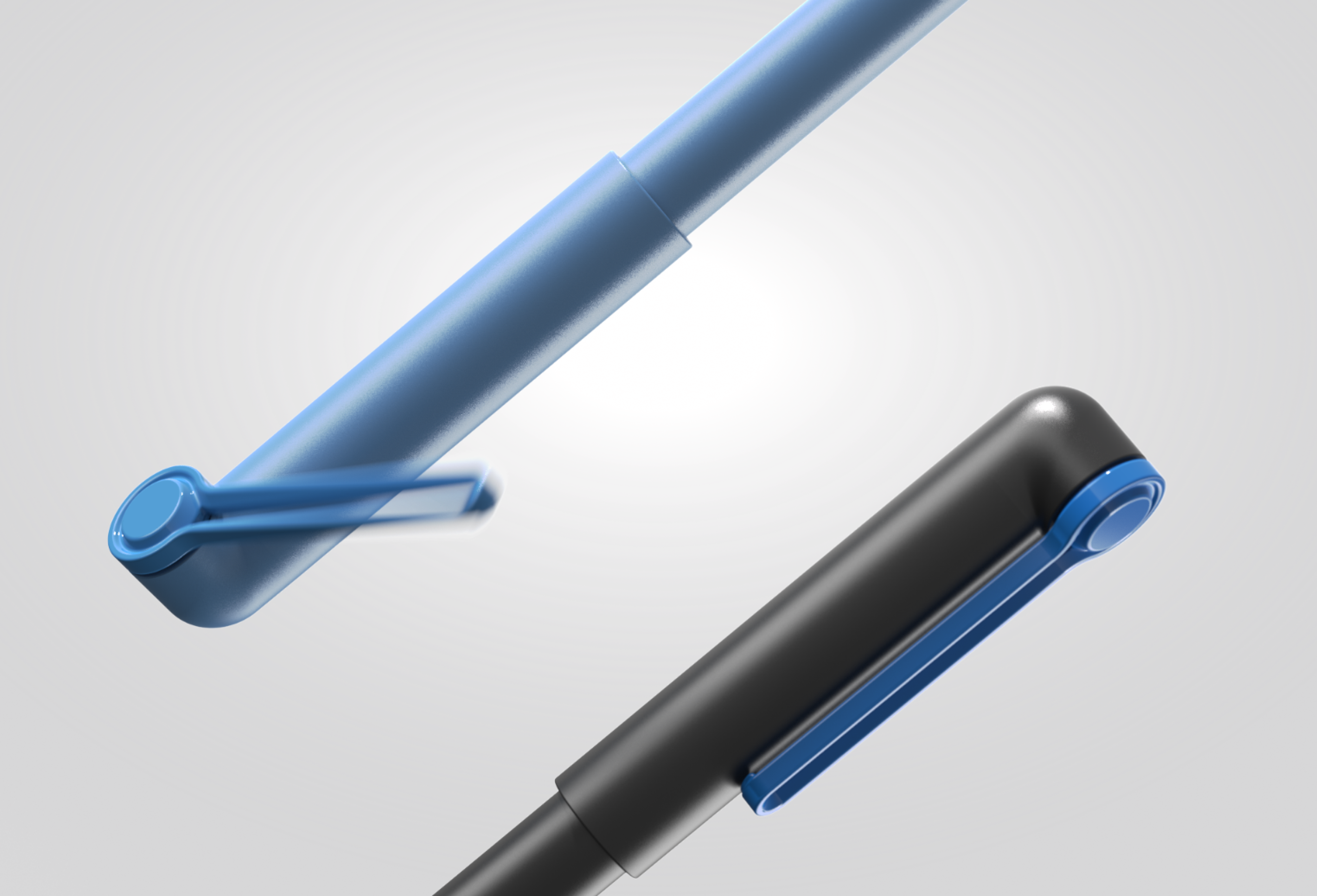
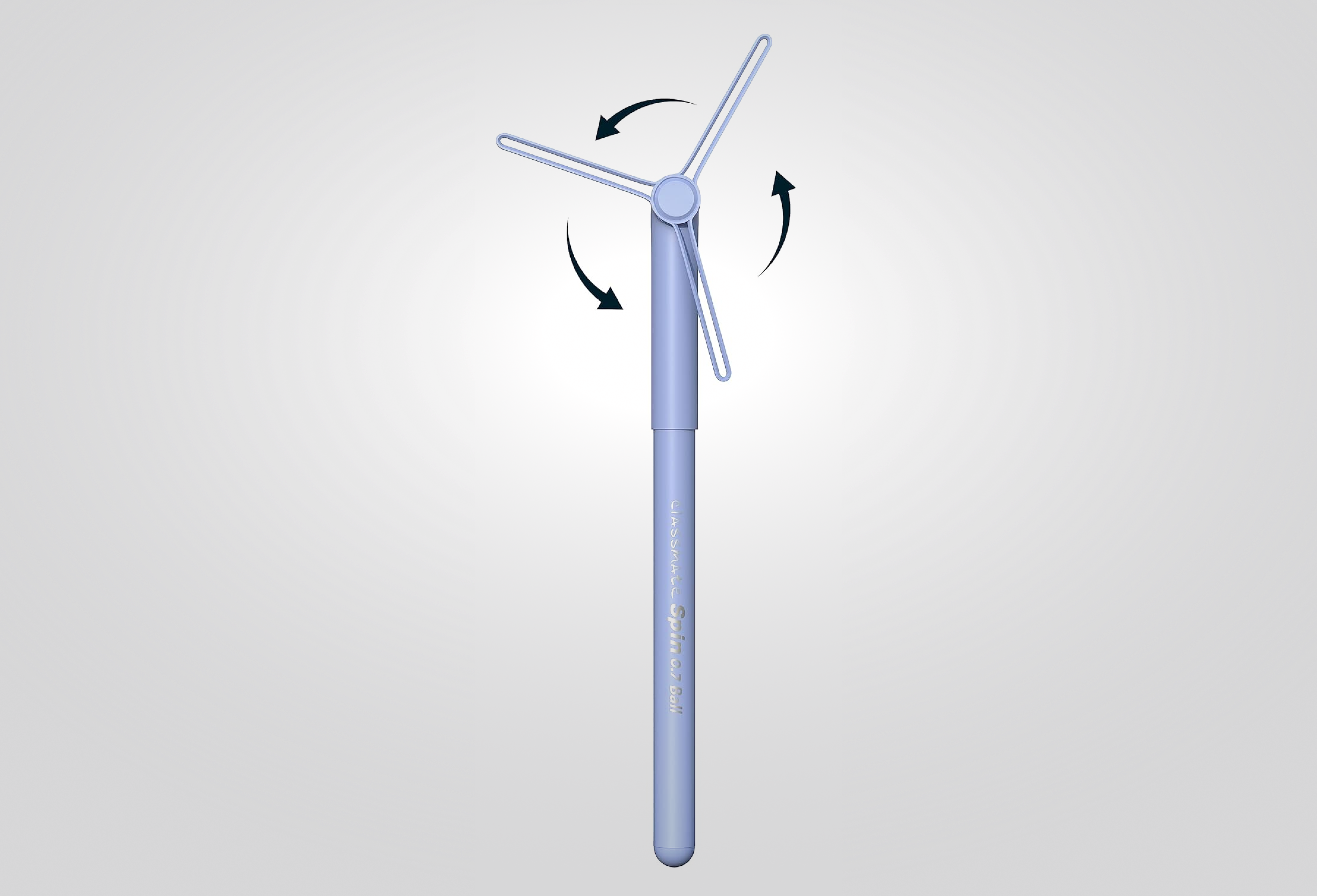
Classroom environments often assume stillness as a prerequisite for attention. In practice, low-level movement, especially in adolescents, can support focus rather than disrupt it. The Classmate Spin was developed with this understanding. Instead of treating fidgeting as distraction, the design accommodates it, integrating a controlled, tactile interaction into the writing instrument itself. The movement is deliberate, contained, and satisfying, giving the hand an outlet without interrupting the task. This shifts the role of the product from a passive tool to one that actively supports concentration. The outcome is a writing instrument that aligns with how students actually engage, allowing movement and focus to coexist
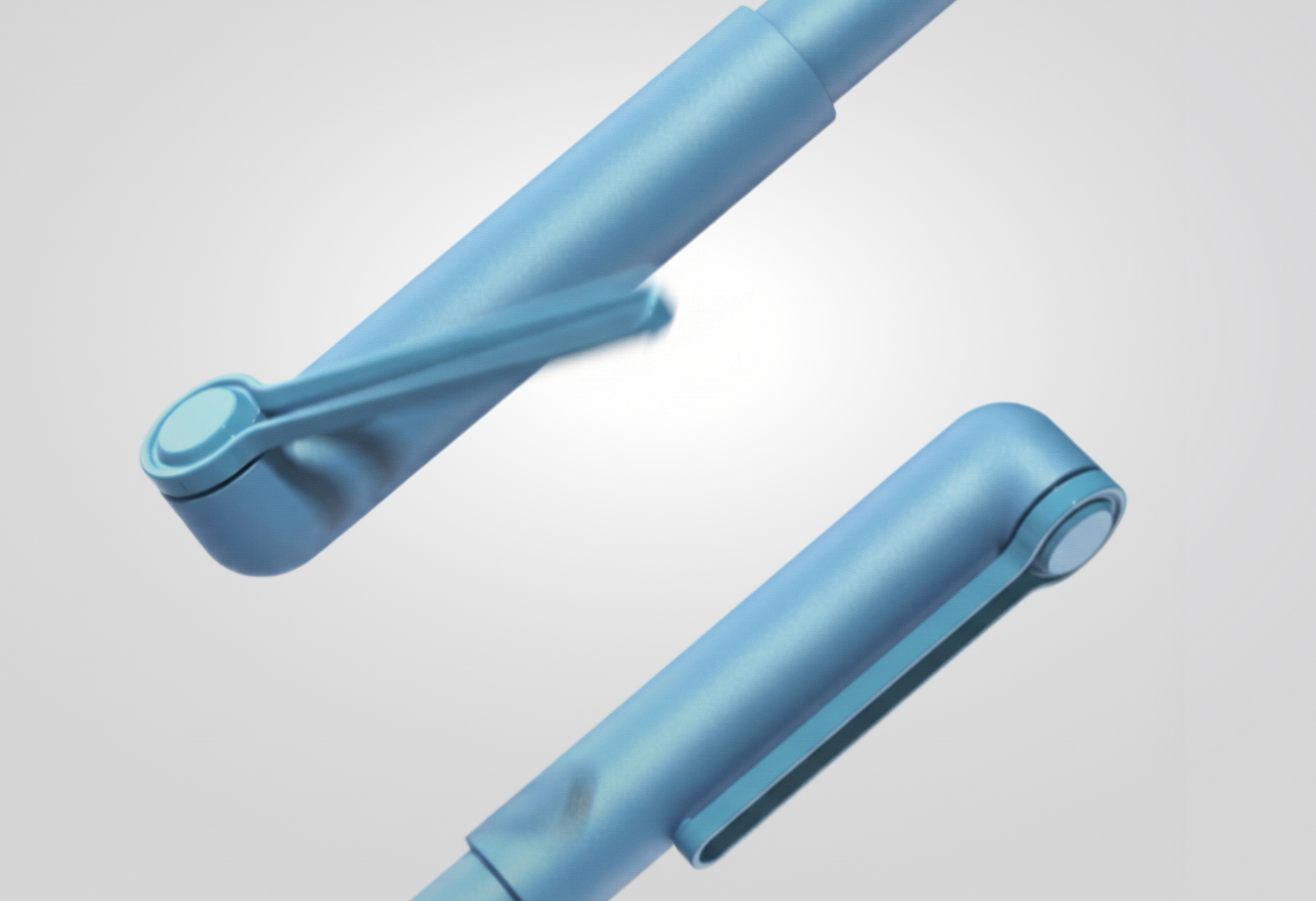
Calibrating Interaction Through Design
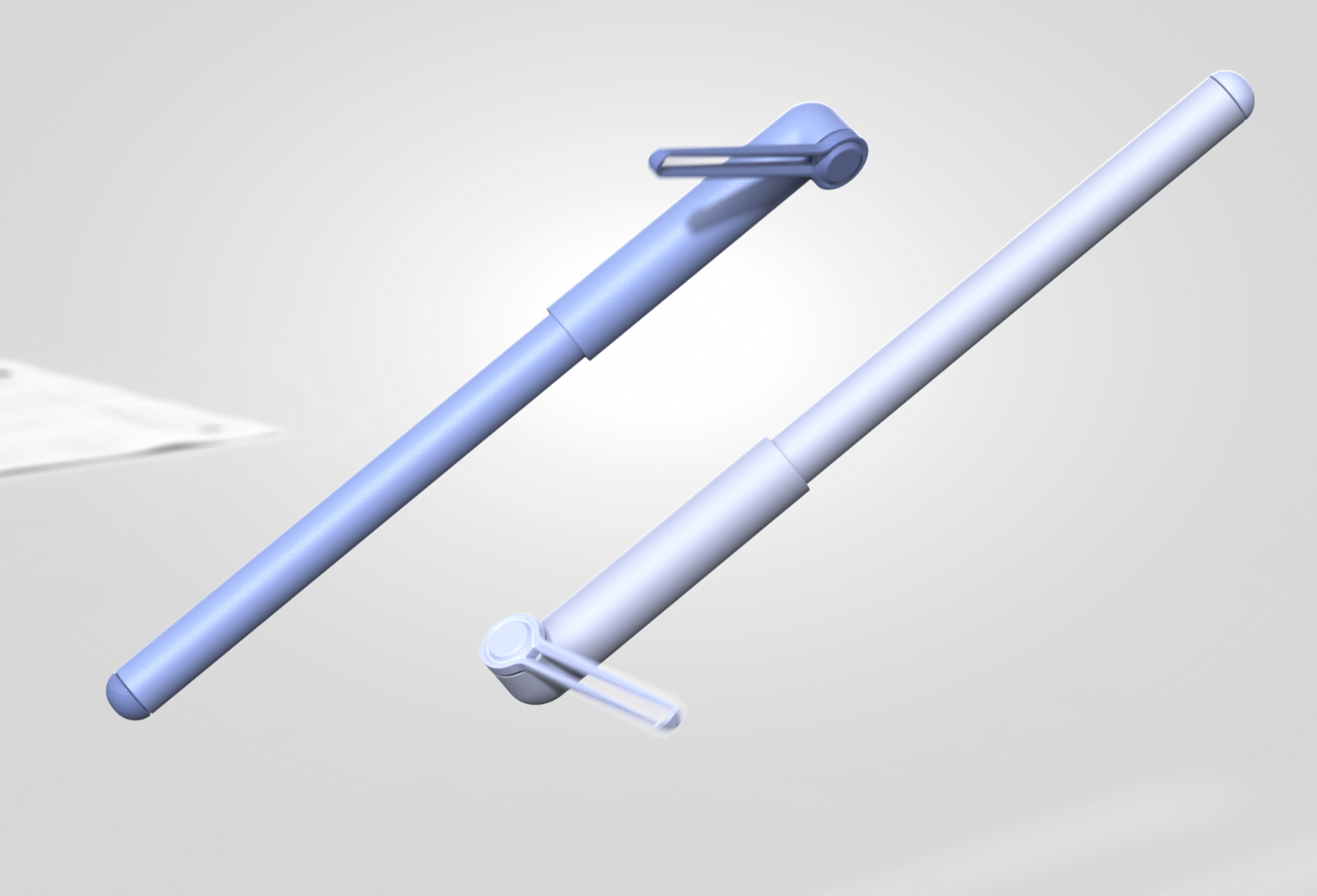
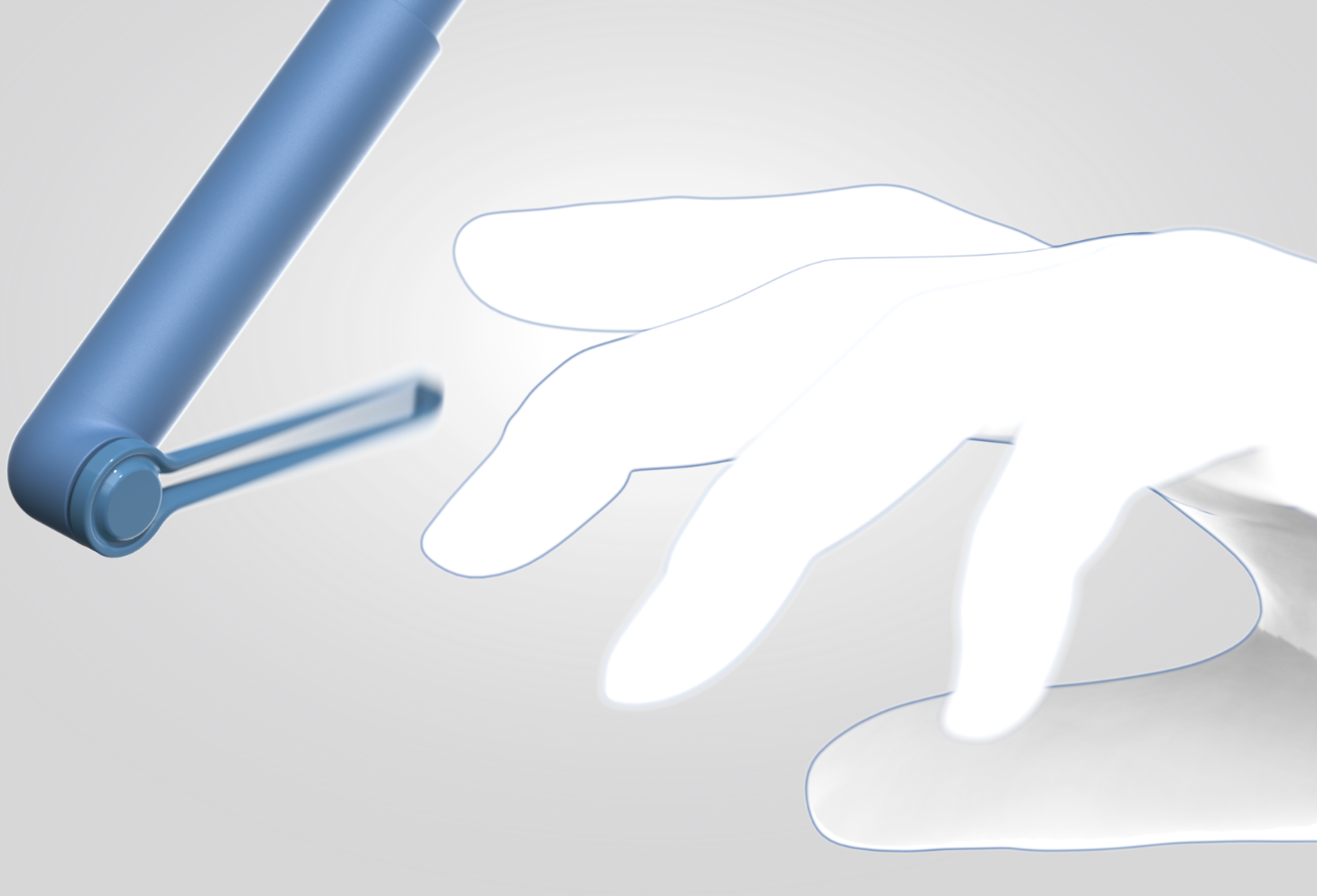
The Spin’s rotating mechanism was developed as a functional response, not a novelty. Its behaviour is calibrated for a specific tactile experience, smooth in motion, balanced in resistance, and quiet in operation, allowing it to be used without disrupting the classroom environment. The weight distribution of the barrel was refined through iterative prototyping to achieve a movement that feels intuitive in the hand, controlled, consistent, and naturally repeatable. These decisions position interaction as a considered design element, not an afterthought. The result is a writing instrument that engages both use and behaviour, where user psychology is addressed with the same rigour as engineering.
The Discipline of the Rs.10 Design Brief
Like the Classmate Hook, the Spin operates within one of the most demanding conditions in consumer product design, a price point where material or finish cannot carry perception. In this context, every decision is required to justify itself through clarity of thought and precision of execution. The design focuses on a single, well-defined outcome: supporting engagement through controlled interaction, without adding complexity. This focus shapes both form and behaviour, resulting in a product that feels resolved, efficient, and purposeful. It reflects an approach where constraints are not limiting, but instructive, guiding the design towards what is essential, and removing what is not.